Home Renovation vs. New Build in Tampa: Which Is Right for You?

Alfil Construction LLC
Custom Home Builder
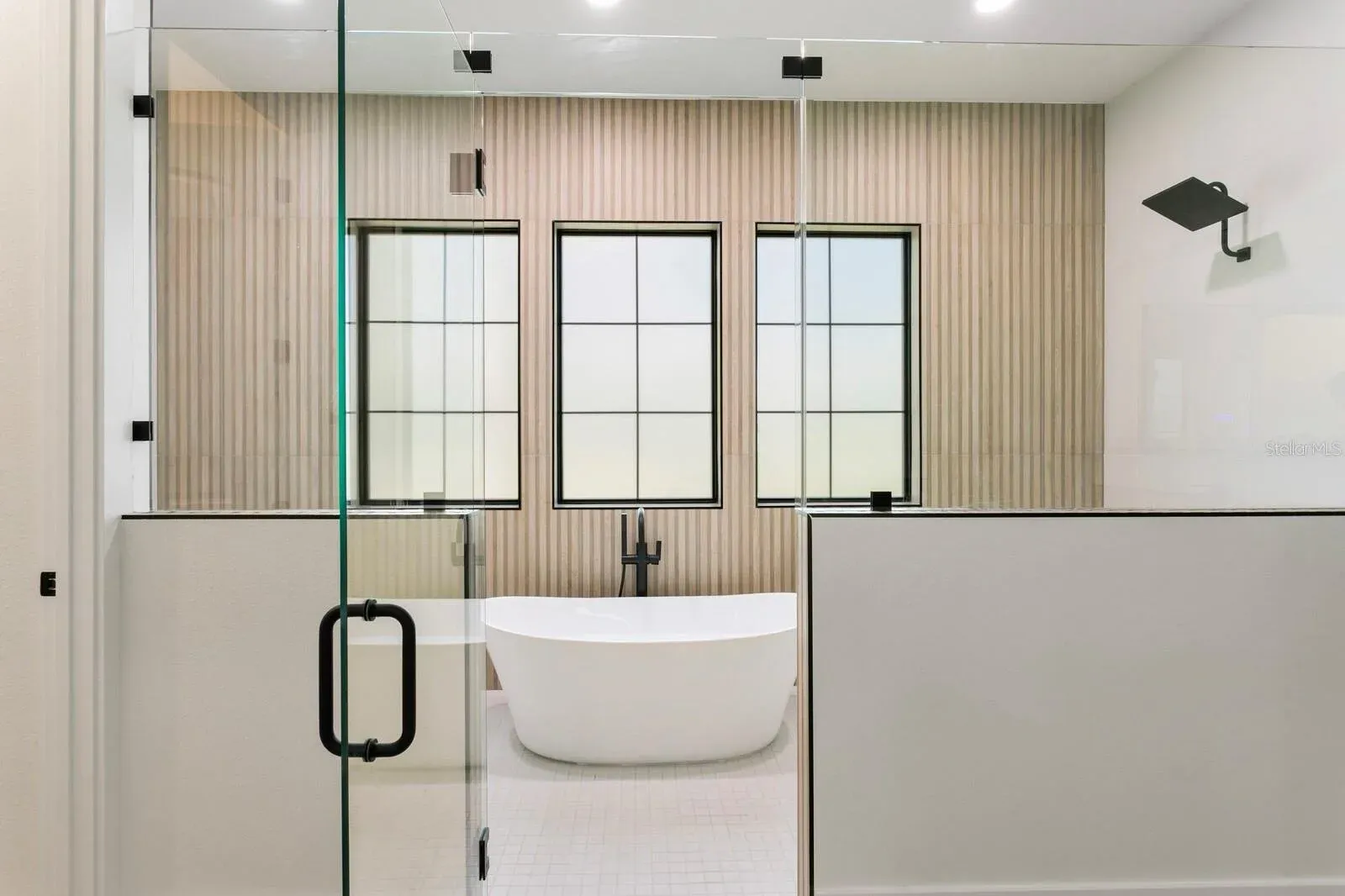
If you love your Tampa neighborhood but your home doesn't fit your life anymore, you're facing a common decision: renovate what you have or build new from the ground up? Both paths have real advantages and real costs. The right choice depends on your budget, timeline, and how much you're willing to compromise. Here's an honest comparison to help you decide.
The Cost Comparison
Renovation in Tampa typically costs $100–$250 per square foot depending on scope. A whole-home renovation of a 2,000 square foot home runs $200,000–$500,000. Kitchen and bathroom remodels are the most expensive per square foot, while cosmetic updates like paint and flooring are the most affordable.
New construction runs $200–$400+ per square foot for a custom home. A comparable 2,000 square foot custom build costs $400,000–$800,000 before land.
On the surface, renovation looks cheaper. But the gap narrows quickly when you factor in surprises — and in Tampa, surprises are common.
Tampa-Specific Renovation Risks
Tampa’s climate creates problems that don’t show up until walls are opened:
- Hidden mold — Tampa’s average 74% humidity breeds mold behind walls and under floors. Remediation starts at $2,000 and can reach five figures for serious cases.
- Termite damage — Florida’s climate is ideal for termites, and older homes are particularly vulnerable. Structural damage from termites can add $10,000–$50,000 to a renovation.
- Outdated wiring and plumbing — Homes built before the 1990s often have aluminum wiring, galvanized pipes, or undersized electrical panels that must be replaced to meet current code.
- Hurricane code gaps — Older homes predate modern Florida Building Code requirements. Bringing an existing home up to current hurricane standards — impact windows, roof reinforcement, wall connections — can cost $50,000–$100,000 on its own.
These unknowns make renovation budgets unreliable. A common rule of thumb: add 20–30% to any renovation estimate for the unexpected.
When Renovation Makes Sense
Renovation is the better choice when:
- Your location is irreplaceable — If you’re in a neighborhood where vacant lots don’t exist, renovation keeps you where you want to be.
- The structure is sound — A home with good bones, updated electrical and plumbing, and a relatively new roof is a strong renovation candidate.
- Your scope is focused — Updating a kitchen, adding a bathroom, or finishing a garage conversion are well-defined projects with predictable costs.
- Budget is tight — A targeted renovation can modernize your home for significantly less than a new build.
When Building New Makes Sense
New construction is the better choice when:
- You need a different floor plan — Moving walls in an existing home is expensive and limited by load-bearing structures. New construction gives you the exact layout you want.
- The renovation scope keeps growing — If you’re replacing the roof, windows, plumbing, electrical, and HVAC, you’re essentially rebuilding inside an old shell. At that point, new construction gives you more for a similar investment.
- Hurricane resistance matters — A new home built to current Florida Building Code is inherently more hurricane-resistant than a retrofitted older home. Insurance premiums reflect this.
- Energy efficiency is a priority — Retrofit insulation, HVAC, and windows can improve an old home, but they’ll never match the performance of a home designed for efficiency from the start.
The Hidden Cost Advantage of New Construction
New homes come with advantages that don’t show up in the per-square-foot price:
- Builder warranty — Structural coverage for 10 years, systems coverage for 1–2 years. Renovations rarely include warranties this comprehensive.
- Lower insurance — New construction in Tampa qualifies for significantly lower homeowner’s insurance premiums due to hurricane-rated construction.
- Lower energy bills — Properly insulated new homes with high-efficiency HVAC save $150–$300 per month compared to older homes. Over 10 years, that’s $18,000–$36,000.
- No surprises — A fixed-price new construction contract means you know the total cost before ground breaks. Renovation budgets are estimates until the walls are opened.
Making the Decision
Ask yourself these questions:
- Is my renovation scope clearly defined, or does it keep expanding?
- How old is my home’s roof, plumbing, electrical, and HVAC?
- Am I willing to live through construction, or do I need to move out either way?
- What’s my total budget including contingency for surprises?
- Do I want a home that meets current hurricane and energy codes, or am I comfortable with retrofits?
If your renovation is focused and the structure is solid, renovate. If the scope is approaching a full rebuild, building new gives you a better home for a comparable investment — without the surprises.